
Using Guided Visualizations and Expressive Writing for Personal Transformation
Using guided visualizations can be enjoyable and relaxing. During a stressful day, they can take you away to a sparkling lagoon or a quiet, tranquil forest, and calm your nervous system. However, they can also reduce stress and improve mood, health, and sleep.[i] In my work as a licensed clinical psychologist and Jungian analyst, I discovered that imaginary realms can also provide valuable insights and even energy for making changes and achieving breakthroughs, leading to personal transformation.
Transpersonal Realms
Years ago, I studied in Peru with shamans (indigenous healers) who believed the places we visit while in a meditative state are transpersonal realms. They taught me that these are places we all can experience, and they’re very real. Indeed, their transformative power can be remarkable.
Regardless of what you believe about such places, you can “journey” to them. And there, you can tap into wisdom hidden in your unconscious. For example, you can use guided imagery to visualize yourself traveling to a lower world beneath this one. In this transpersonal realm, you can enter a building with a room of contracts that allows you to discover and rewrite hidden agreements you have with yourself. You might not realize you’ve been telling yourself, “I’ll never show vulnerability, because that way, people won’t think less of me” or “If I repress my anger instead of expressing it, I’ll have better relationships.” Rejecting such a contract and writing a new one that better supports your mental health and well-being can help you experience an internal shift. Afterward, it may be easier for you to change your habits and be more aware of your tendency to engage in self-sabotaging behaviors.
The Guardian
When working with clients doing guided visualizations, I often found it helpful to suggest they encounter a guardian at the entrance to the realm and ask for its permission to continue. Shamans say you can negotiate that if this guardian says it’s not a good time to “travel,” you can negotiate with it.
You can think of the guardian as a part of your psyche that can protect you from the intensity of encountering insights you might find upsetting.
I suggest you agree to the guardian’s request to “travel” another day or do whatever it asks you to do to continue. It might request that you promise to remain open to uncomfortable yet important insights. It might ask you to turn off your analytical mind and release your need to understand everything you experience as you experience it, leaving that work for after you’ve completed your journey. Whatever its request, the guardian makes it for your own protection.
After Completing a Guided Visualization
After completing a guided visualization, you might write about it in detail. You can consider what you learned, what messages symbols or figures you encountered might have for you, and what aspects of your life in the past or present align with your experience or what you discovered.
As you write, you might remember a time you had a real-life experience that evoked similar feelings or that you now realize had the same lessons for you, ones you didn’t recognize at the time. Expressive writing about experiences, in contrast to simply recording the facts about them, is known to help improve psychological and physical health.[ii] I believe that combining guided visualizations and expressive writing could be extremely beneficial for anyone feeling stuck and unable to make changes they say they want to make. I also believe this combination can help people discover what they want to experience that they’ve been denying themselves.
Given the many benefits of guided visualizations and expressive writing, I’d encourage anyone to try using these tools, especially in combination with each other, to see whether they’re useful in bringing about the transformation they seek.

A version of this article appeared in Creations magazine.
You can learn more about transformation and how to change your story and your life by reading my books, including my newest book, Go Within to Change Your Life. They’re available at bookstores everywhere.
[i] Johns Hopkins Medicine, “What Is Imagery?” https://www.hopkinsmedicine.org/health/wellness-and-prevention/imagery
[ii] Karen A. Baike and Kay Wilhelm, “Emotional and Physical Health Benefits of Expressive Writing,” Cambridge University Press, January 2, 2018. https://www.cambridge.org/core/journals/advances-in-psychiatric-treatment/article/emotional-and-physical-health-benefits-of-expressive-writing/ED2976A61F5DE56B46F07A1CE9EA9F9F
Carl
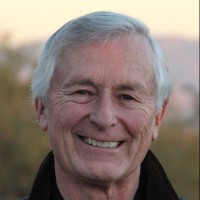
Carl Greer, PhD, PsyD, is a retired clinical psychologist and Jungian analyst, a businessman, and a shamanic practitioner, author, and philanthropist funding over 60 charities and more than 2,000 past and current Greer Scholars. He has taught at the C.G. Jung Institute of Chicago and been on staff at the Replogle Center for Counseling and Well-Being.
Sign up for announcements
Receive the latest announcements from Carl Greer and a FREE e-Book: 8 Steps to Change Your Life by Creating a New Story.